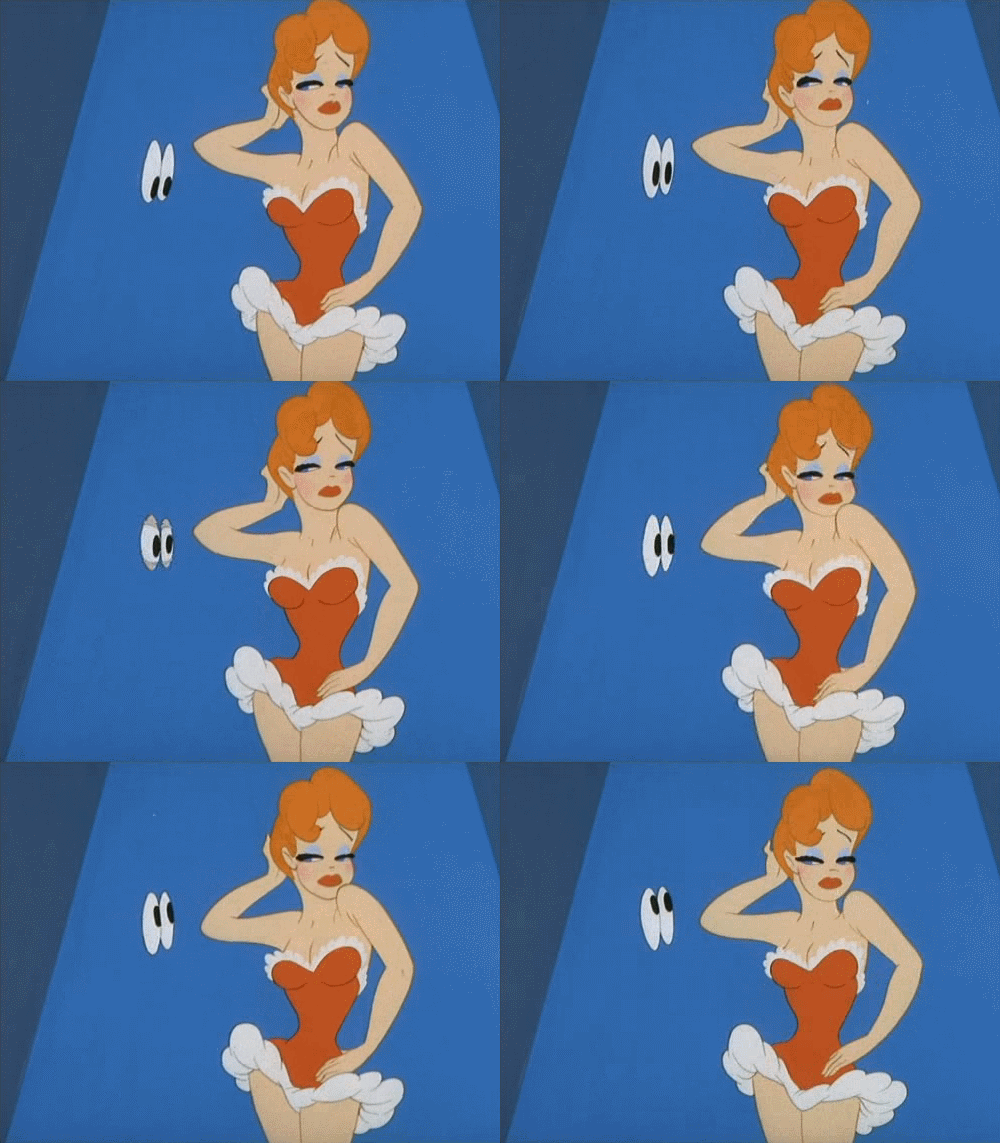
Sounds from the Drawer – Barefooted Fly

There are health risks and benefits associated with going barefoot. Footwear provides protection from cuts, abrasions, and bruises, from objects on the ground, as well as protection from frostbite and parasites like hookworm. However, some shoes can limit the flexibility and mobility of the foot, and can lead to higher incidences of flat feet or toes that curve inwards. Walking barefoot also results in a more natural gait, allowing for a more rocking motion of the foot and eliminating the hard heel strike and generating less collision force in the foot and lower leg.

Posted in Mind | 1 Comment

Medíocre na Forma, Equivocado no Conteúdo

Hegel by Schopenhauer

Posted in Body | Leave a comment

“The Fake ID’s” sung on a typewriter

Samuel Beckett

Posted in Mind | Leave a comment

Entropy and Syntropy

Order (syntropy), disorder (entropy), and how they are related.

Everything in the universe revolves around one single principle: on large scale, everything tends towards the highest level of syntropy – that is, order – even though, on small scale (”scale” both in space and time) it is the other way around because of the law of entropy – that is, disorder.

Entropy and syntropy, disorder and order, are not in balance: in the end, syntropy always prevails over entropy. Otherwise, evolution in any form simply could not occur, and the universe as we know it could not exist.

Entropy is destruction, syntropy is creation. But a process in which entropy and syntropy amplify one another is in itself a process of creation. Entropy is homogeneity; syntropy is heterogeneity. Because of this, any process that increases entropy in a small amount of space or time will increase syntropy in a larger amount of space and time.

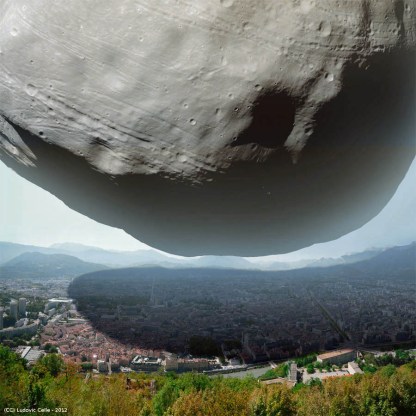
Consider the following example: when heavenly bodies collide, an increase of entropy occurs. If an asteroid would collide with the Earth, I’m sure no-one will deny this fact. Yet it is through these very collisions that the Earth was once formed. A planet arises when a planetoid cleans its orbit of planetisimals – “infinitesimal planets.” Chemically, this increases entropy; the coalescing bodies melt to lava, erasing their features from their surface. But astronomically and cosmologically, it increases syntropy; the coalescing bodies form a planet. The solar system becomes less homogeneous because its mass is less evenly spread throughout it. The same can be said about the Big Bang: only when the singularity exploded could more complicated structures arise from its fundamental state.

The entropy of a black hole is very LOW:

S = kA/4Ap

where k is the Boltzmann constant, A is the surface area of the black hole, and AP is the Planck surface, that is, the Planck length squared.

Using the formula of the Schwarzschild radius, r = 2Gm/c^2, one can derive the surface area of the black hole:

A = 4πr^2 = 16G^2m^2/c^4

Replacing this using the mass of the entire observable universe (assuming there was as much net mass in the singularity then) we get that the entire universe then had an entropy of a mere 8,53 · 10^-9 J/K, about as much as there is in two trillion molecules at 30 Celsius.

This could be even lower depending on how one defines the surface area of the black hole — in this calculation we used the surface area of the ergosphere.)

Both entropy and syntropy will cause things to become unified, and this is how these two things are themselves unified to one. Entropy creates syntropy, and that is how the universe itself arose from night nothingness. Entropy in itself is part of syntropy: for it as well completes the infinite interconnectivity of the universe.

post: http://scienceray.com/physics/entropy-and-syntropy/

I believe that this anti-entropic or syntropic process represents a property of intelligence and is under its control. Even though the universe as a whole is gaining in heat entropy, virtually all subsystems are swimming upstream against this tendency and are becoming more complex and richer in information. It may ultimately be decided that entropy is also under the control of intelligence. Intelligence might arbitrarily be divided into entropic and syntropic systems.

post: http://www.supraconsciousnessnetwork.org/ch4p5.htm

Posted in Body, Soul | 2 Comments

André Gide says: “Parce que ma bouche se tait, pensez-vous que mon coeur se repose?”

.

.

the most precious in us is that which remains unexpressed..

.

.

.

“I may doubt the reality of everything, but not the reality of my doubt.”

As coisas apenas valem pela importância que lhes damos.

“It is better to be hated for what you are than to be loved for what you are not.”

“Believe those who are seeking the truth. Doubt those who find it.”

“Only those things are beautiful which are inspired by madness and written by reason.”

The most beautiful thing on earth I came to know was my hunger, always faithful to what lay ahead to still it. Each desire has more enriched me than the perpetually deceptive possession of the very object of my desire, for what we hope to find is not so much but love.

“Man cannot discover new oceans unless he has the courage to lose sight of the
shore.”

”What is the importance in your eyes, not what you look.”

“Please do not understand me too quickly.”

Posted in Mind | Leave a comment

Gnosiologia na Teoria do Conhecimento

Gnosiologia (também chamada Gnoseologia) ramo da filosofia que se preocupa com a validade do conhecimento em função do sujeito cognoscente, ou seja, daquele que conhece o objeto. Este (o objeto), por sua vez, é questionado pela ontologia que é o ramo da filosofia que se preocupa com o ser. Fazem-se necessárias algumas observações para se evitar confusões. A gnoseologia não pode ser confundida com a epistemologia, termo empregado para referir-se ao estudo do conhecimento relativo ao campo de pesquisa, em cada ramo das ciências. A metafísica também não pode ser confundida com ontologia, ambas se preocupam com o ser, porém a metafísica põe em questão a própria essência e existência do ser. Em outras palavras, grosso modo, a ontologia insere-se na teoria geral do conhecimento, ou Ontognoseologia, que preocupa-se com a validade do pensamento e das condições do objeto e sua relação o sujeito cognoscente, enquanto que a metafísica procura a verdadeira essência e condições de existência do ser.


A Teoria do Conhecimento tem por objetivo buscar a origem, a natureza, o valor e os limites do conhecimento, da faculdade de conhecer.
 

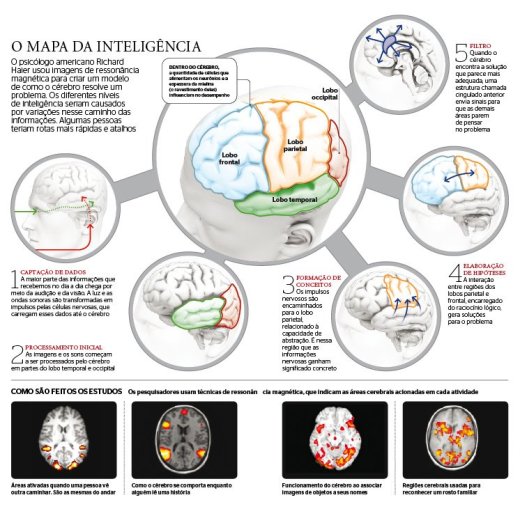
Os principais problemas da Teoria do Conhecimento são:

  • A possibilidade do conhecimento
  • A origem do conhecimento
  • O limite do conhecimento
  • A essência do conhecimento
  • As formas do conhecimento
  • O valor do conhecimento (o problema da verdade)

Se há conhecimento humano, existe a verdade, porque esta nada mais é do que a adequação da inteligência com a coisa (segundo a concepção aristotélico-tomista). Com a existência da verdade, há conseqüentemente a existência da certeza, que é passar a inteligência à verdade conhecida. A inteligência humana tende a fixar-se na verdade conhecida. Metodologicamente, há primeiramente o conhecimento, depois a verdade, e finalmente a certeza. Tal tomada de posição perante o primeiro problema da crítica, é chamado de dogmatismo, sendo defendida por filósofos realistas, como por exemplo, Aristóteles e Tomás de Aquino. Se, ao contrário, se sustentar que a inteligência permanece, em tudo e sempre, sem nada afirmar e sem nada negar, i.é, sem admitir nenhuma verdade e nenhuma certeza, sendo a dúvida universal e permanente o resultado normal da inteligência humana, está se defendendo o ceticismo.
O problema crítico representa um passo além do dogmatismo e do ceticismo. Uma vez que admite-se a existência da verdade (valor do conhecimento), e da certeza, pergunta-se então onde estão as coisas: só na inteligência, como querem Platão, Kant, Hegel (idealismo),( ps. marxistas não consideram que as coisas estão só na materia, mas que tudo se funda a através do trabalho e que o mundo das idéis se constitui de objetivações e subjetivações construídas no mundo real material. Portanto as idéias não existem sem mundo material.) só na matéria, como ensina Marx (materialismo), no intelecto humano e na matéria, como dizem Aristóteles, Tomás de Aquino (realismo), ou só na razão, como diz Descartes (racionalismo).

Para o idealismo, o ente, i.é, o ente transcendental, compõe-se somente de idéias. Para o materialismo, somente matéria. Para o realismo, idéias e matéria. Para o racionalismo: investigando os fundamentos de todo o conhecimento, pois critica o conhecimento do ente transcendental, a Crítica é a base necessária de todo o saber científico e filosófico, inclusive da própria Ontologia. Então não se pode substituir gnosiologia por epistemologia, uma vez que a epistemologia está contida na gnosiologia.

Na gnosiologia existe o Apriorismo Kantiano que utiliza a união dos ideais do racionalismo e do empirismo, falando que primeiro ele conhece a verdade a partir dos sentidos e depois a razão organiza o que ele conheceu.

Posted in Body, Mind | 1 Comment

Sutilizar o concreto e concretizar o Abstrato

Arthur Franco

Posted in Body, Mind, Soul | Leave a comment

Conservação vs Criação – Nietzsche por Alexandre Gottardo

Por Uma Arte Liberadora da Vida
Nietzsche rompeu com toda a tradição do pensamento filosófico ao questionar a origem dos valores criados ao longo de toda a história da humanidade. Não se resignando às conceituações estabelecidas, muito menos se rendendo a explicações divinas ou inatas a respeito, Nietzsche, à maneira de um arqueólogo, examina os vestígios da civilização e faz uma descoberta impactante: são forças em conflitos que produzem os valores.. Conflitos de interesse entre grupos, de maneiras de enxergar a vida; faíscas pelo poder. É desse emaranhado de pressões político-filosóficas que serão cunhados os princípios e regras que regerão um grupo, uma sociedade.
Mas nossos valores não expressam uma vida alegre, afirma Nietzsche. O ser humano não foi capz de se libertar de seus fantasmas existenciais – medos, dor, perdas, morte – e o seu desejo de conservação (reativo) se sobrepunha ao de criação (ativo). Assim, os valores que vinham sendo erigidos por essa via nada mais eram senão inevitáveis resultados de uma vontade impotente para superar o estado das coisas e as inconstâncias próprias da natureza. O caos, o obscuro, o imponderável e o intempestivo passaram a ser vistos como uma ameaça e, como tal, deveriam ser afastados da existência. A partir de então, segue o filósofo, passou-se a malquerer a vida terrena e idealizar a salvação humana em um mundo tido como superior, celestial, metafísico.
Dessa perspectiva ascética, planos transcendentes de organização da vida e sistemas de julgamento foram criados. Emergia-se então a lógica da punição e recompensa: estabelecia-se um bem e um mal, um certo e outro errado, legitimavam-se tipos de conduta e reprimiam-se outros sempre com base nessas orientações reativas; caso a sua postura estivesse de acordo com a ordem estabelecida, você usufruía de todos os direitos de uma vida em sociedade; em caso contrário, o limite era a morte.
É por essa  via que Nietzsche se lança: para construir uma filosofia do futuro, uma nova cultura, um novo tipo de ser humano, uma nova arte, seria necessário abraçar a existência por inteiro. Afirmar o caos e não negá-lo. Com isso em vista, deveríamos superar – transvalorar – todos os valores regentes até então.
Ora, mas trilhar por um caminho desses, que nos tira totalmente do chão em que pisamos, tenderia a nos levar ao desprezo pelo (demasiado) humano e suas maneiras de viver, não é mesmo? Como se isso não bastasse, essa linha de pensamento nos conduziria inevitavelmente à loucura. Contudo, continua Nietzsche, para percorrer essa jornada, o aventureiro- guerreiro deveria ter uma determinação inquebrantável para não se perder nesse deserto e não se envaidecer com as conquistas que for adquirindo: vontade de potência.
Por Uma Arte Liberadora da Vida  – Alexandre Gottardo – Coleção Guias de Filosofia, NIETZSCHE vol.4 – Ed. Escala
Posted in Body, Mind | 1 Comment

Travel Guide

Posted in Body | Leave a comment

nitimur in vetitum

The great are only great because we are on our knees. Let us rise! (Pierre-Joseph Proudhon)

Posted in Body | Leave a comment

Proudhon and the Society without Authority

To be GOVERNED is to be watched, inspected, spied upon, directed, law-driven, numbered, regulated, enrolled, indoctrinated, preached at, controlled, checked, estimated, valued, censured, commanded, by creatures who have neither the right nor the wisdom nor the virtue to do so. To be GOVERNED is to be at every operation, at every transaction noted, registered, counted, taxed, stamped, measured, numbered, assessed, licensed, authorized, admonished, prevented, forbidden, reformed, corrected, punished. It is, under pretext of public utility, and in the name of the general interest, to be place[d] under contribution, drilled, fleeced, exploited, monopolized, extorted from, squeezed, hoaxed, robbed; then, at the slightest resistance, the first word of complaint, to be repressed, fined, vilified, harassed, hunted down, abused, clubbed, disarmed, bound, choked, imprisoned, judged, condemned, shot, deported, sacrificed, sold, betrayed; and to crown all, mocked, ridiculed, derided, outraged, dishonored. That is government; that is its justice; that is its morality.


—P.-J. Proudhon, “What Is Government?”, General Idea of the Revolution in the Nineteenth Century, translated by John Beverly Robinson (London: Freedom Press, 1923), pp. 293-294.

As man seeks justice in equality, so society seeks order in anarchy.

All men in their hearts, I say, bear witness to these truths; they need only to be made to understand it.

Posted in Body | Leave a comment

Neurociências em Benefício da Educação


from: https://www.facebook.com/NeurocienciasEmBeneficioDaEducacao

Posted in Mind | Leave a comment

Kilian Martin: Altered Route (a Skate Film)

<p><a href=”http://vimeo.com/43044223″>Kilian Martin: Altered Route (a Skate Film)</a> from <a href=”http://vimeo.com/mercedesbenz”>mb! by Mercedes-Benz</a> on <a href=”http://vimeo.com”>Vimeo</a&gt;.</p>


Posted in Body | Leave a comment