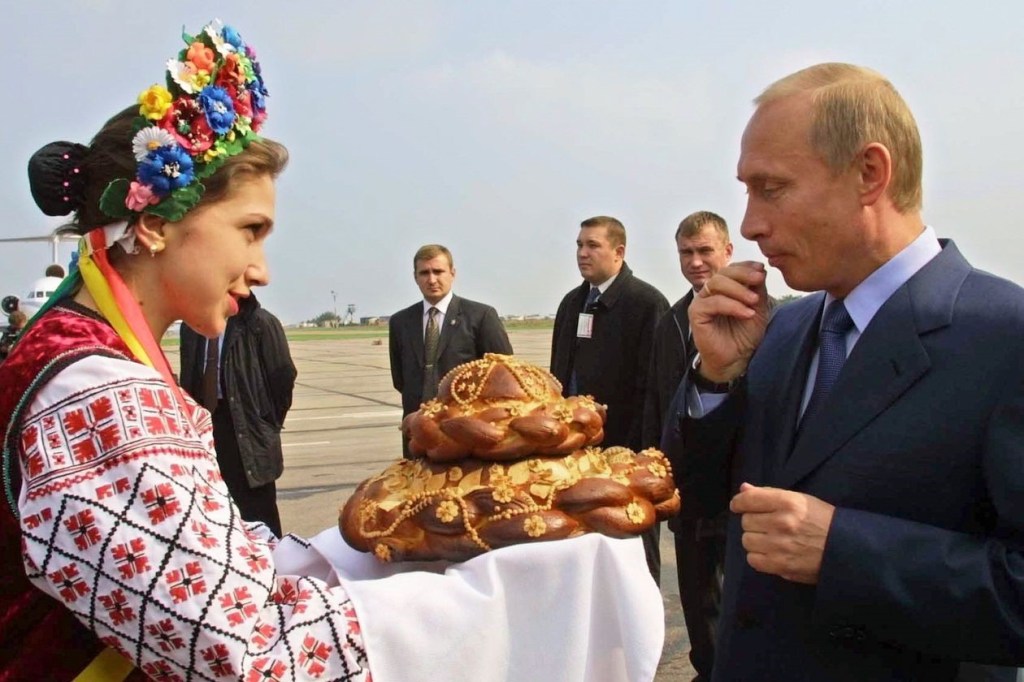

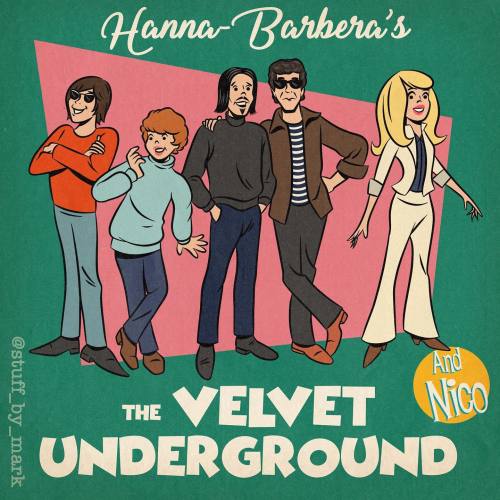


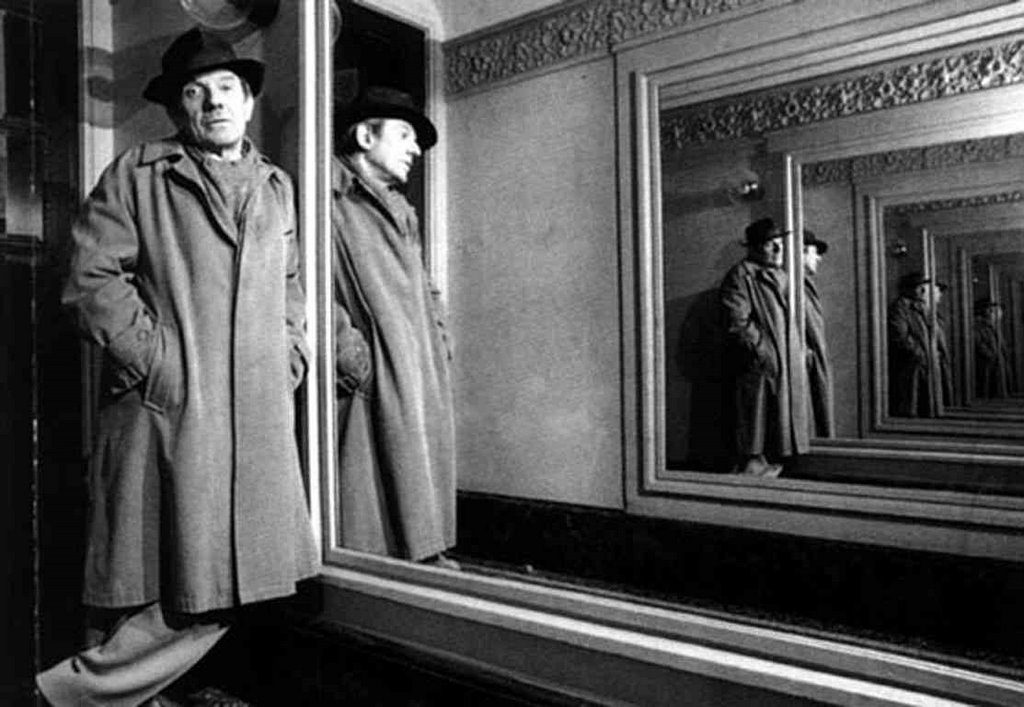
Signo é aquilo que, não tendo em si verdade, condiciona o movimento e o conceito da verdade.
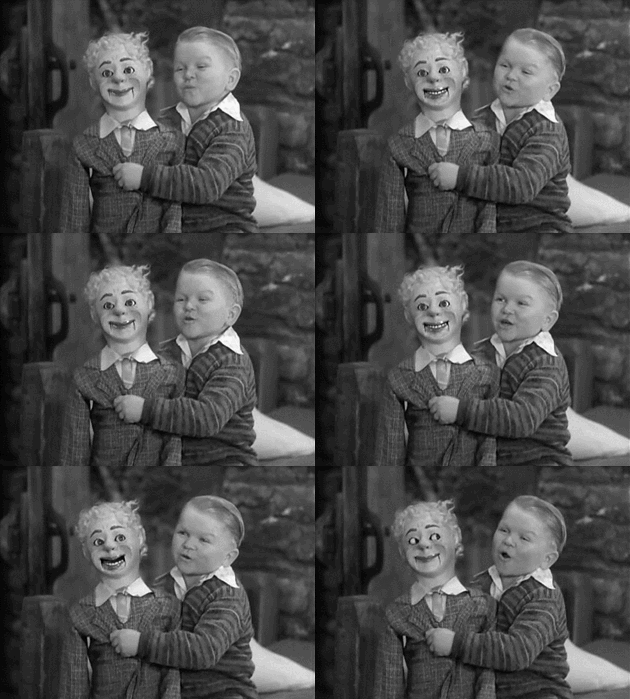
O conceito clássico de signo estabelece-se em uma estrutura de remissão e de substituição.
O signo representa o presente em sua ausência, o substitui.

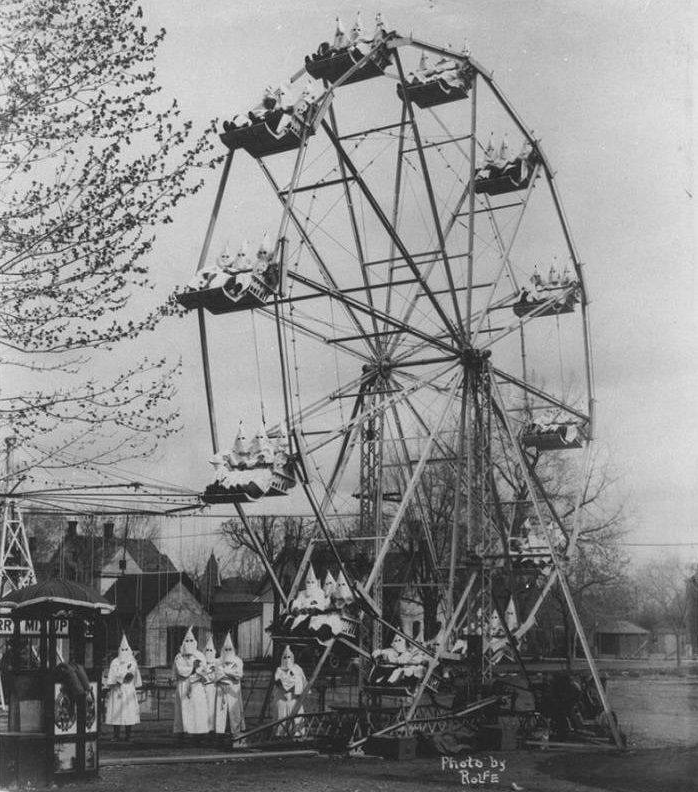
Juien Opie
Quando não se pode tomar ou mostrar a coisa, passamos pelo desvio do signo.
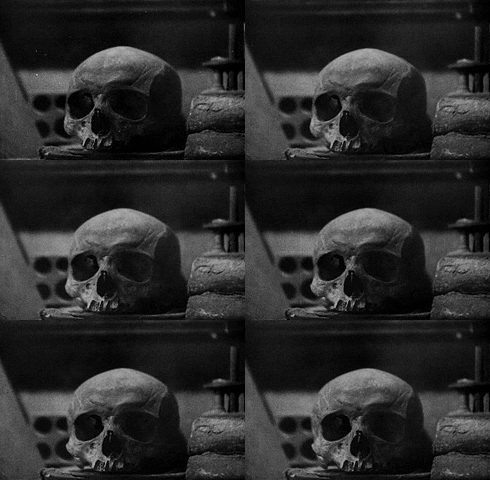
A circulação dos signos difere o momento em que poderíamos encontrar a própria coisa.
via: Glossário de Derrida - Supervisão de Silviano Santiago
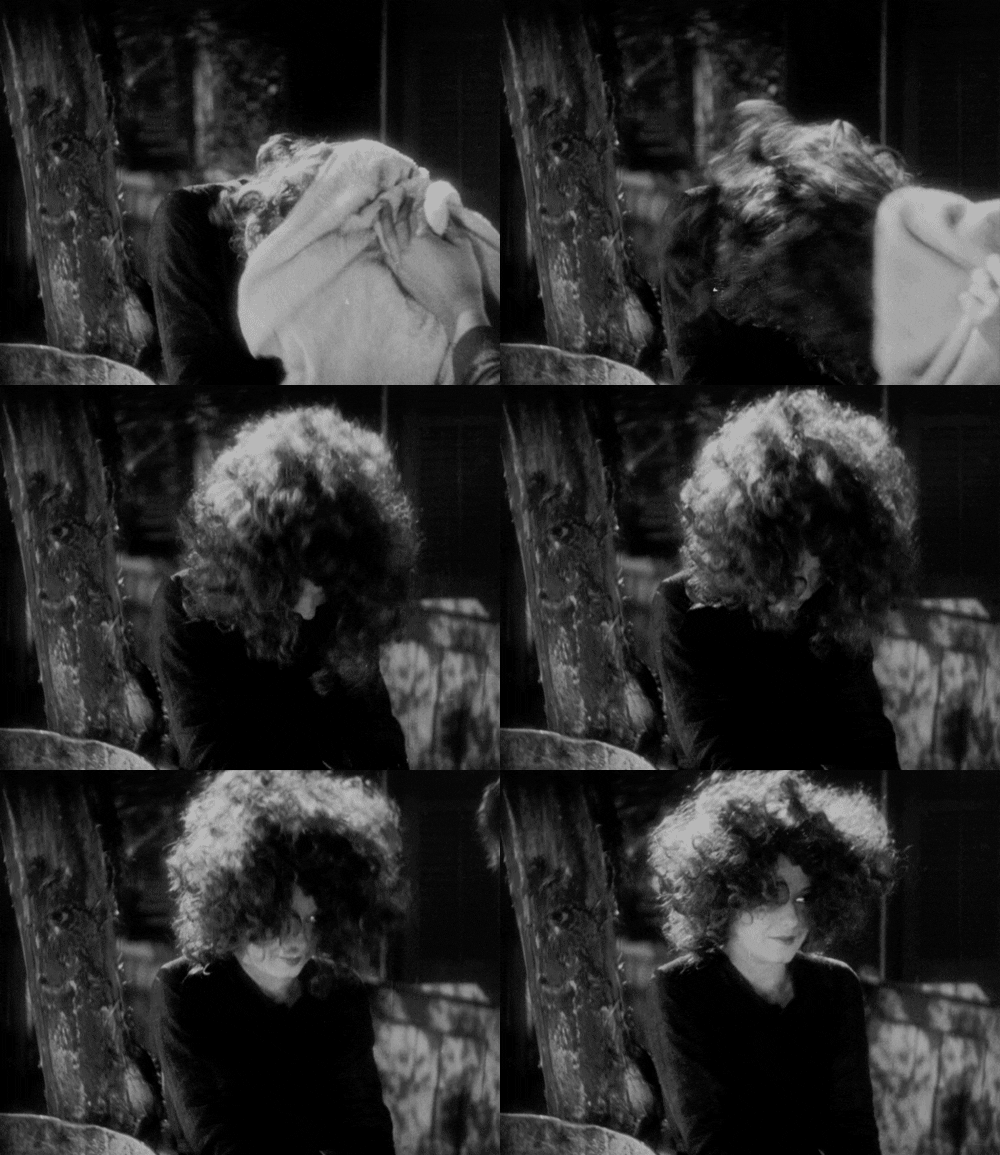
A partir da leitura desconstrutora do texto artístico, observa-se que o significado não possui mais um lugar fixo (centro), mas, sim, passa a existir enquanto construção substitutiva que, na ausência de centro ou de origem, faz com que tudo se torne discurso e a produção da significação se estabeleça mediante uma operação de diferenças.

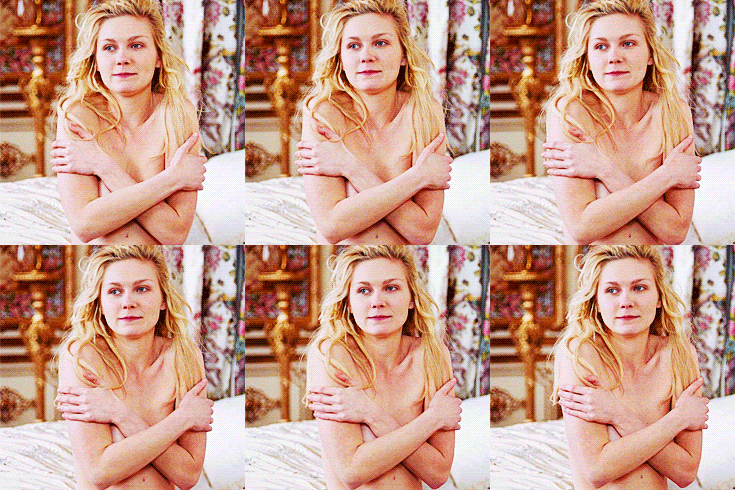
Dessa forma, eliminando-se qualquer referência a um centro, a um sujeito, e não mais se privilegiando aspecto algum sob o disfarce da “origem”, a atividade insterpretativa, com base na polissemia do texto artístico, vai permanecer sempre imcompleta, ou noutras palavras, nunca pretendendo chegar a esgotar o significado do objeto-texto na sua totalidade.
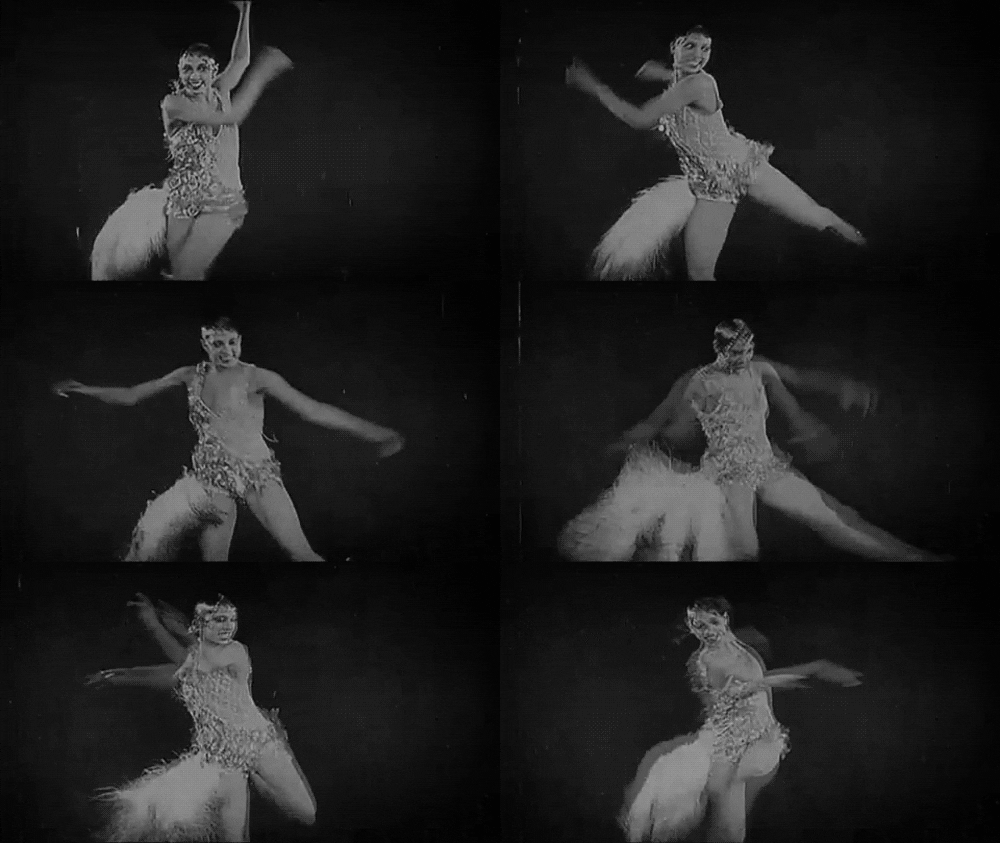
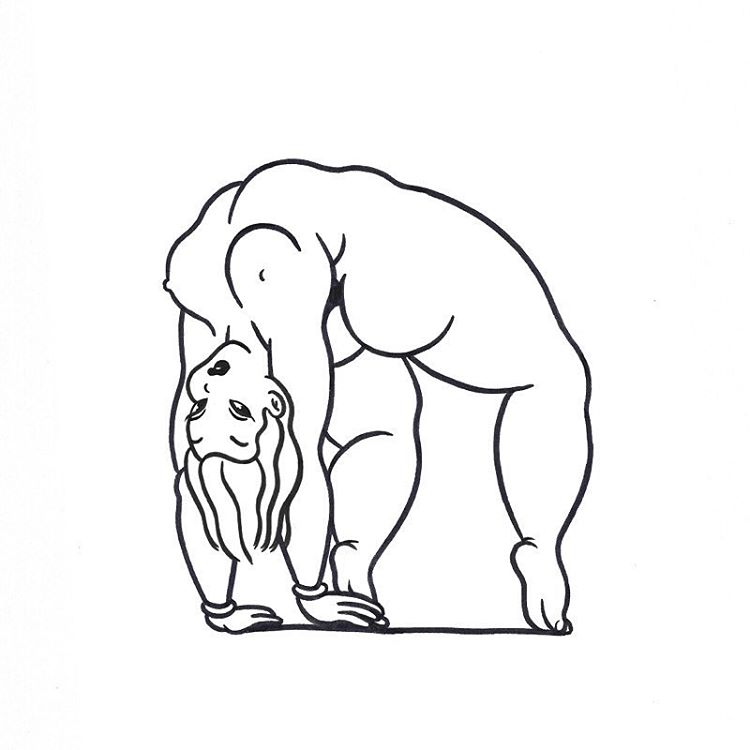
Não existe significado último, verdadeiro, oculto, que a elaboração analítica vai descobrir. A descoberta é a apreensão da coexistência mútua de várias direções significantes num mesmo conceito ou metáfora.

via: Glossário de Derrida - Supervisão de Silviano Santiago


pour Saussure le point de vue crée l’objet
– a política e a poesia são demais para um homem só –

Não anuncio cantos de paz
nem me interessam as flores do estilo.
Como por dia mil notícias amargas
que definem o mundo em que vivo
Não me causam os crepúsculos
a mesma dor da adolescência.
Devolvo tranqüilo à paisagem
os vômitos da experiência.
(As belas letras disfarçam ninhos de vermes nas flores.
Estas flores são a coroa dos regimentos da mentira
como as comendas dos chanceleres
e as espadas dos generais
que determinam nos Atos
o regime de animais)
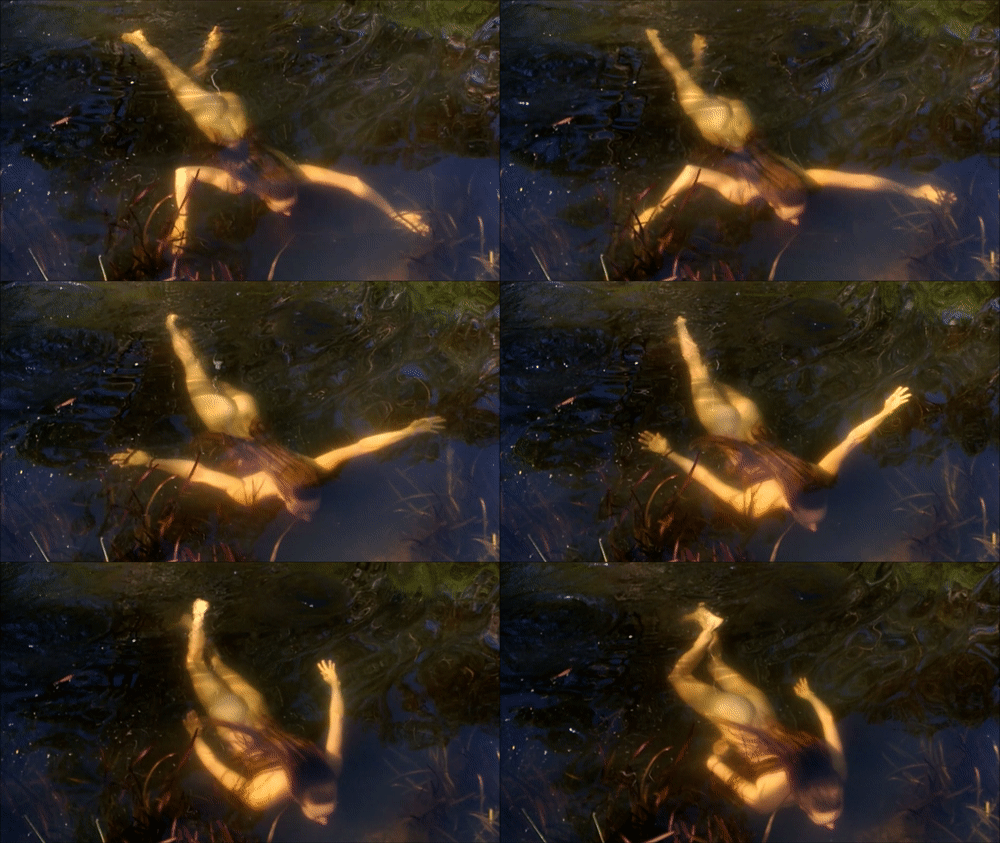
Glauber Rocha (1939-1981)
Poema de Mário Faustino (1955)
(Em memória de um poeta suicida)
Não conseguiu firmar o nobre pacto
Entre o cosmos sangrento e a alma pura.
Porém, não se dobrou perante o fato
Da vitória do caos sobre a vontade
Augusta de ordenar a criatura
Ao menos: luz ao sul da tempestade.
Gladiador defunto mas intacto
(Tanta violência, mas tanta ternura),
Jogou-se contra um mar de sofrimentos
Não para pôr-lhes fim, Hamlet, e sim
Para afirmar-se além de seus tormentos
De monstros cegos contra um só delfim,
Frágil porém vidente, morto ao som
De vagas de verdade e de loucura.
Bateu-se delicado e fino, com
Tanta violência, mas tanta ternura!
Cruel foi teu triunfo, torpe mar.
Celebrara-te tanto, te adorava
Do fundo atroz à superfície, altar
De seus deuses solares – tanto amava
Teu dorso cavalgado de tortura!
Com que fervor enfim te penetrou
No mergulho fatal com que mostrou
Tanta violência, mas tanta ternura!
Envoi
Senhor, que perdão tem o meu amigo
Por tão clara aventura, mas tão dura?
Não está mais comigo. Nem conTigo:
Tanta violência. Mas tanta ternura.
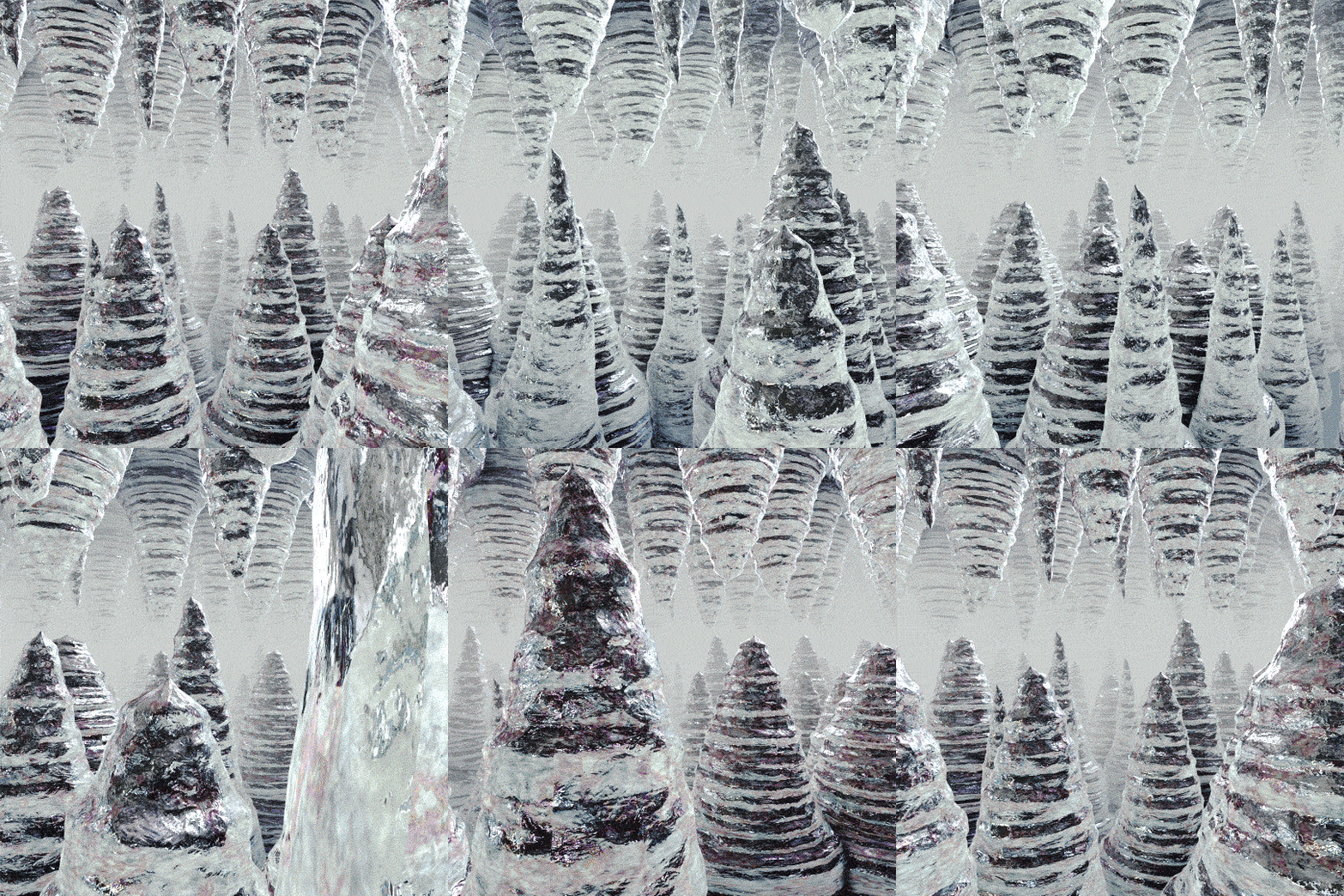
𝐈𝐭 𝐈𝐬 𝐍𝐨𝐭 𝐅𝐨𝐫𝐦𝐬 𝐀𝐧𝐝 𝐌𝐚𝐭𝐭𝐞𝐫𝐬, 𝐁𝐮𝐭 𝐅𝐨𝐫𝐜𝐞𝐬, 𝐃𝐞𝐧𝐬𝐢𝐭𝐢𝐞𝐬, 𝐈𝐧𝐭𝐞𝐧𝐬𝐢𝐭𝐢𝐞𝐬 𝐓𝐡𝐚𝐭 𝐌𝐚𝐭𝐭𝐞𝐫
The painter Millet used to say that what counts in painting is not, for example, what a peasant is carrying, whether it is a sacred object or a sack of potatoes, but its exact weight.
This is the post-romantic turning point: the essential thing is no longer forms and matters, or themes, but forces, densities, intensities. The earth itself swings over, tending to take on the value of pure material for a force of gravitation or weight.
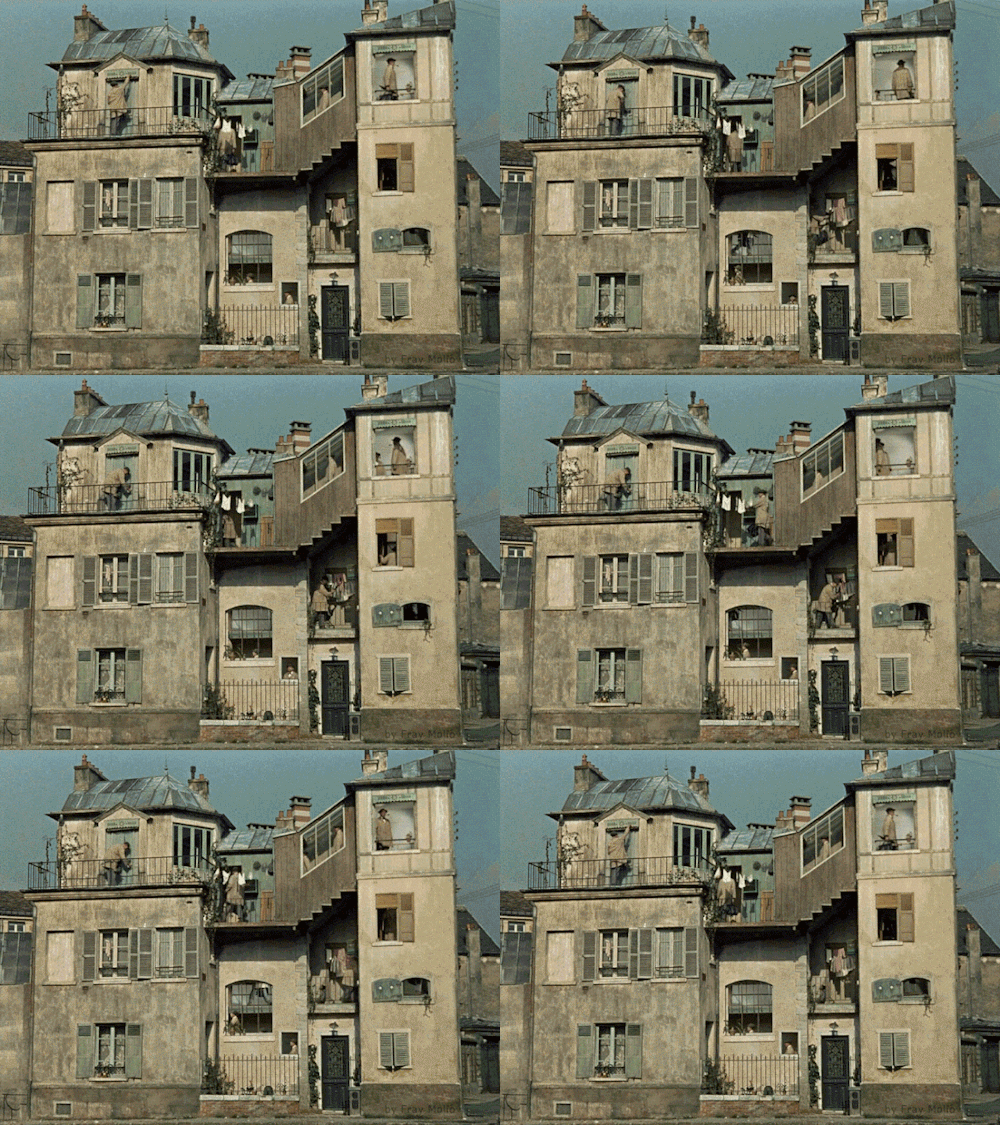
Perhaps it is not until Cezanne that rocks begin to exist uniquely through the forces of folding they harness, landscapes through thermal and magnetic forces, and apples through forces of germination: nonvisual forces that nevertheless have been rendered visible.

When forces become necessarily cosmic, material becomes necessarily molecular, with enormous force operating in an infinitesimal space. The problem is no longer that of the beginning, any more than it is that of a foundation-ground. It is now a problem of consistency or consolidation: how to consolidate the material, make it consistent, so that it can harness unthinkable, invisible, non-sonorous forces.
Debussy … Music molecularizes sound matter and in so doing becomes capable of harnessing nonsonorous forces such as Duration and Intensity. Render Duration sonorous.
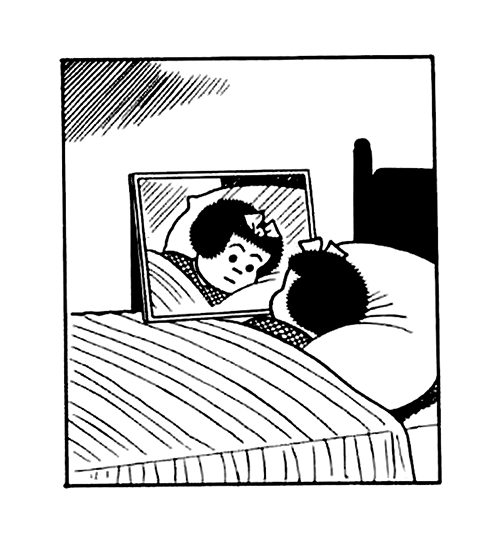
Let us recall Nietzsche’s idea of the eternal return as a little ditty, a refrain, but which captures the mute and unthinkable forces of the Cosmos. We thus leave behind the assemblages to enter the age of the Machine, the immense mechanosphere, the plane of cosmicization of forces to be harnessed.
Deleuze and Guattari: A Thousand Plateaus, Of the Refrain, p. 343
Estudo de como múltiplos factores interagem na formação do objecto específico que está a ser estudado.
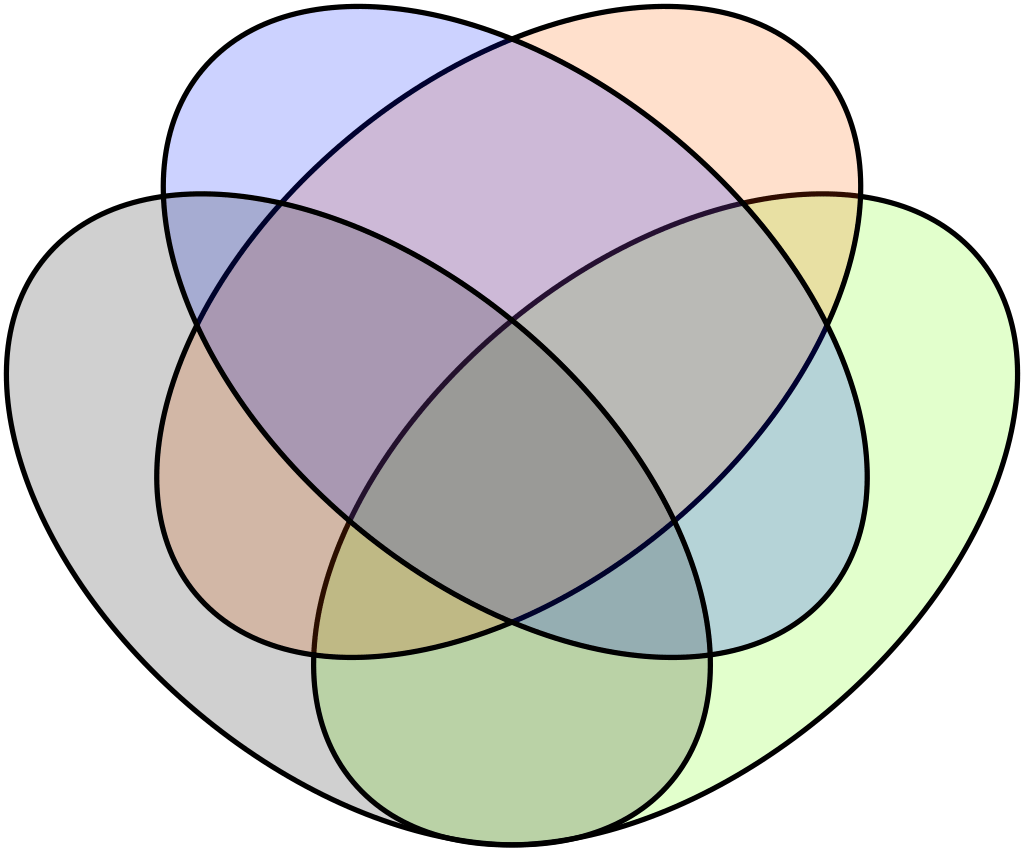
abrange toda a pesquisa que busca as causas de determinado objecto ou conhecimento.
via:
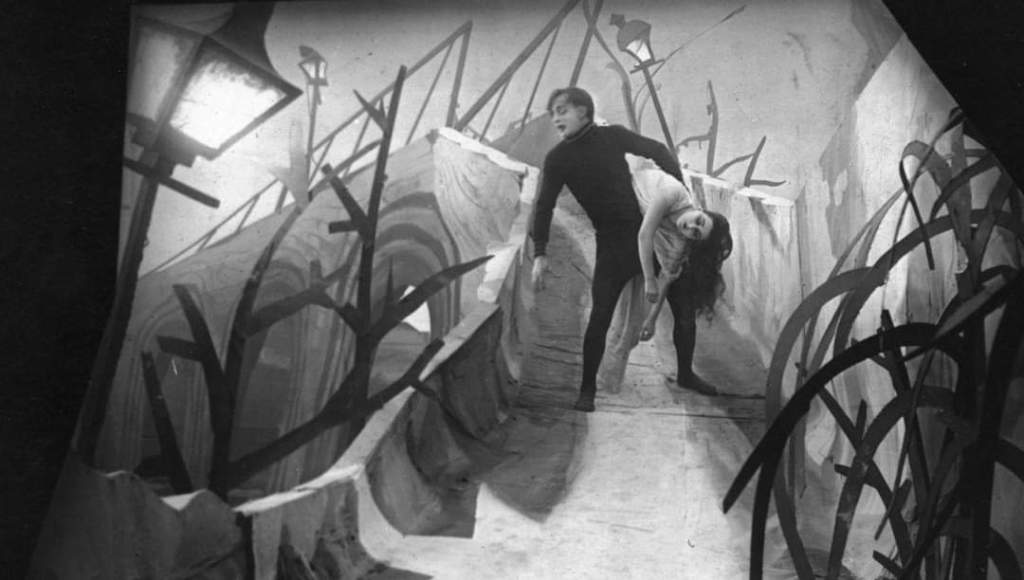
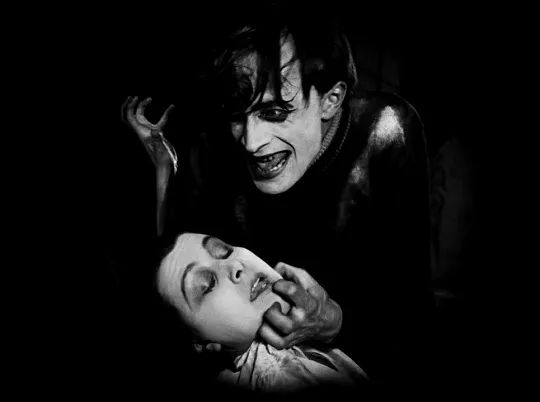


Kracauer, in From Caligari to Hitler, explores the connections among film aesthetics, the prevailing psychological state of Germans in the Weimar era, and the evolving social and political reality of the time. Kracauer makes a startling (and still controversial) claim: films as popular art provide insight into the unconscious motivations and fantasies of a nation.
via: https://press.princeton.edu/books/paperback/9780691191348/from-caligari-to-hitler